LOW BIRTH WEIGHT / PRETERM BABY
FEEDING OF PRETERM INFANTS
Managing feeding and monitoring growth in preterm infants after NICU discharge is crucial for ensuring optimal catch-up growth. Here are key strategies:
Feeding Management- Nutrient-enriched diets: Many preterm infants are discharged with nutrient-enriched feeding plans, including fortified human milk or specialized preterm formulas.
- Breastfeeding support: For breastfed infants, careful monitoring is essential, especially within 48 hours after discharge and after 1 week. Some may require human milk fortifiers to ensure adequate nutrient intake.
- Formula options: For formula-fed infants with suboptimal weight, special post-discharge formulas (PDF) may be recommended.
- Feeding frequency: Many preterm infants are initially fed every 3 hours, but this schedule can be adjusted as the infant grows.
- Use of specialized growth charts: Utilize growth charts specifically designed for preterm infants until they reach term-corrected age.
- Corrected age: Use corrected postmenstrual age for growth assessment until 2 years of age.
- Regular health care visits: Preterm infants receiving regular health care are 4.687 times more likely to achieve catch-up growth. These visits allow for timely detection of growth deviations and provide opportunities for feeding guidance.
- Growth parameters to monitor:
- Weight gain: Aim for 20-30 g/day in preterm infants (>2 kg).
- Length: Increases by approximately 1.1 cm/week until term, then 0.75 cm/week from term to 3 months.
- Head circumference: Grows about 0.5 cm/week until 3 months of age.
- Catch-up growth typically occurs between 36-40 weeks postmenstrual age and may continue up to 5-7 years.
- Most preterm infants catch up in head circumference first, followed by weight and length.
- Factors affecting catch-up growth include birth weight, gestational age, genetic potential, and ongoing health issues.
By implementing these strategies and closely monitoring growth, healthcare providers and caregivers can support optimal catch-up growth in preterm infants after NICU discharge.
SLEEPY BABY – CLUSTER FEEDING
- Ensure that the baby is completely alert before offering a feed – baby should be making small cries and opening the mouth and searching for a source of milk (rooting reflex).
- If the baby has been swaddled, unwrap the baby and allow the baby to wake up naturally.
- Gently rub the shoulders, spine and toes to wake up the baby.
- Lift the baby against your shoulder and gently pat the back to wake up the baby.
NURSING STRIKE
This means that a baby who has been successfully breastfeeding, suddenly refuses feeds. The following causes should be checked for:
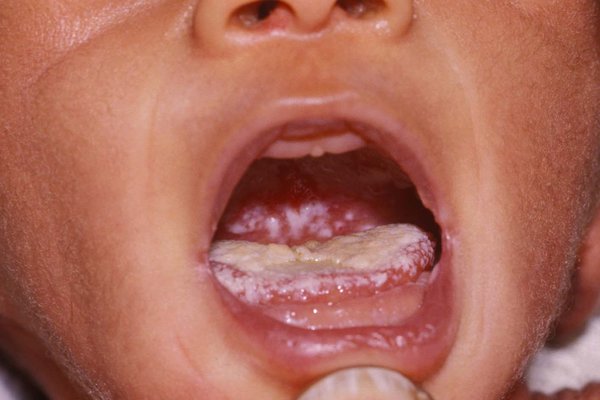
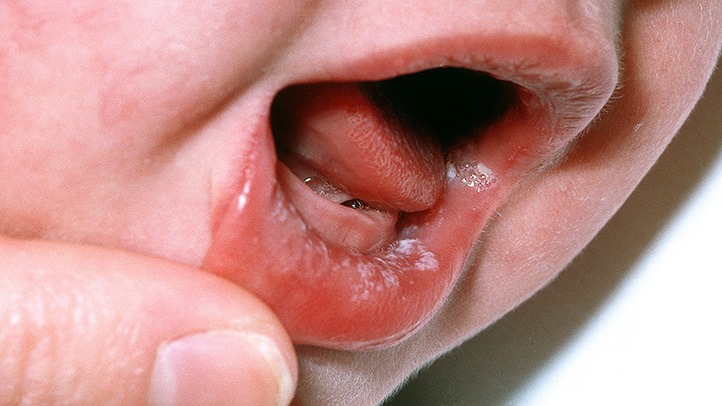
- Oral thrush
- Painful gums due to emerging tooth
- Pain in the ear (moving the ear of the baby causes the baby to cry out in pain)
- A diaper rash
- Muscle pain due to forceful massage
- Pain over the site of recent vaccination
- Nasal stuffiness due a cold, interfering with feeding
- Nipple confusion due to mixed feeding (that is breastfeeding and bottle feeding)
- Treat oral thrush if any
- Biomedical (homeopathic) remedies and teething gels for teething pain
- Treatment of nasal stuffiness / ear infection
- Painkiller such as Paracetamol for pain related to vaccination, teething, vigorous massage or ear infection
- Treatment of diaper rash with appropriate barrier creams and medicated creams
- Continue expressing milk regularly to avoid breast engorgement
- Consoling the baby by rocking the baby to and fro, cuddling and nestling
- If nasal stuffiness is the cause, using cup and spoon or paladai to feed expressed breast milk temporarily may help.
EXCESSIVE CRYING
A parent can diagnose the cause of crying in an infant easily using the following algorithm:
- Check if the diaper is soaked or soiled – clean and change the diaper
- Check if the limbs feel cold – if cold, swaddle the baby
- Check if the baby feels warm or sweaty – unwrap the baby and adjust the room temperature to Auto function between 21-23*C
- Check if hungry / thirsty – offer a feed
If your baby stops crying after any of the above it is consolable crying which does not need any medication. Any other crying is referred to as inconsolable crying, which could be due to one of the following reasons:
- Generally crying is intermittent when an attack of colic comes but baby seems fine in between
- Tummy may appear bloated or tense
- Anti-colic medications will relieve the baby
- More common in bottle-fed than in breastfed babies
- More common in babies that don’t generally burp well after feeds
- More common in babies who are formula fed than those who are exclusively breastfed
- Baby seems to cry when laid down but quietens down when held up vertical
- Seems to improve with saline nasal spray, saline nebulization and use of chest rub
- Seems to improve by steaming
- Generally continuous crying, worsened with startling and increased crying if ear is touched
- Needs immediate attention by a pediatrician or in the ER
- Diaper rash
- Pain due previous vigorous / forceful massage
- Pain following vaccination
NEWBORN BABY’S JAUNDICE
- Most cases of jaundice (yellowish discoloration of skin and eyes) in newborn babies is physiological due to an immature functioning of the liver, rapid destruction of fetal red blood cells and their replacement with more mature red blood cells, mild dehydration in the newborn in its early days of life due to low breastmilk output and so on.
- This jaundice generally never reaches dangerous levels that need hospital management and the skin jaundice disappears within 1-2 weeks and jaundice in the eyes, maximum within the first month.
- As a parent, it is important to ensure regular feeding of the infant (at least one feed every 2-3 hours), ensure that the baby passes at least one good urine every 3 hours and is physically active and awake between feeds except when napping.
- If these general measure don’t work – if the baby is drowsy, not feeding well, appears deep yellow etc. then immediate attention is needed at the ER.
- If the mother is O positive and baby is A positive, B positive or AB positive
- If the mother is Rh negative and baby is Rh positive
- Then the parents should watch for increase
TWINS AND MULTIPLETS
- Twins can be breastfed simultaneously, one at each breast but multiplets cannot
- Mother may not have enough milk output to satisfy the babies’ needs
- Birth of twins / multiplets may involve a C section or exhausting labor and mother may not be able to provide enough milk for the babies
- Twins can be fed simultaneously, one at each breast
- If mother is successful in exclusively breastfeeds her twins, then it is best to alternate the twins at the breasts with each feed.
- In case of multiplets supplementary feeds will be needed to ensure adequate nourishment and growth of all the babies (see EXPRESSED BREAST MILK / FORMULA FEEDING link).
REFLUX IN THE INFANT
The junction between the food-pipe (esophagus) and the stomach, called the gastro-esophageal junction, is guarded by a one-way swing door of muscle, that generally allows fluids/food to travel only one way, that is from the esophagus to the stomach and not vice versa. Sometimes in some babies, this “swing door” may be weak resulting in reverse flow of milk, sometimes mixed with acid, flowing reverse from the stomach to the esophagus. This is known as gastro-esophageal reflux or GERD.
Suspect GERD in your baby if your baby if:- Spitting or vomiting large quantities of milk feeds – during, immediately after or later, after a feed
- Arching the spine backwards and crying, as if in pain
- Constantly demanding feeds
- Poor weight gain
- Needs to be held upright – seems more uncomfortable when laid down
- Gagging, choking, frequent burping
- Bad breath
- Recurrent raspy breathing, chest rattle, hoarseness of voice
- Recurrent chest infections such as bronchitis or pneumonia
ADOPTED INFANT
Breastfeeding of an adopted infant by the adopting mother is recommended by the American Academy of Pediatrics. Breastfeeding can be achieved by the mother as long her breast tissue has not been surgically removed, even if she has never been pregnant, or has had her uterus / ovaries have been removed or has reached near menopausal age.
This process requires manual stimulation of the breasts using a breast pump, starting 2-3 weeks before scheduled commencement of breastfeeding, breast massage, administration of galactogogues, and administration of hormonal and non-hormonal medicines to the mother under medical supervision, to ensure successful breastfeeding.