CHILDHOOD RESPIRATORY ALLERGIES – PARENT EDUCATION
What is asthma?
- Asthma is an allergic condition in which the walls of the air tubes within the lungs get temporarily constricted and may produce excess mucus resulting in their narrowing, thereby causing cough breathlessness and a raspy, wheezing sound when breathing.
- This reaction may occur randomly in response to certain elements in the environment or food, or during exercise or due to a viral infection.
Why does this allergic reaction occur?
- Asthma is a part of “atopy”, the phenomenon of allergy, which includes allergic skin conditions like eczema, allergic rhinitis (hay fever) and allergic bronchitis (asthma).
- This reaction occurs because of the “atopy genes” present in certain individuals.
- Genes are like switches – symptoms are not always present; a person may experience symptom-free periods for years.
Is asthma hereditary?
No, it is not necessary that symptoms have to be present in some family member to make the diagnosis. Symptoms may skip a generation or other family members may have silent genes.
How can parents know if their child suffers from asthma?
- Repeated coughing spells, aggravated by exercise, laughing, or crying.
- Coughing episodes at night or after exercise.
- Symptoms triggered by viral infections, seasonal changes, dust, smoke, or strong smells.
Are there various grades of severity?
Yes, doctors grade it as intermittent or persistent (mild, moderate, severe). Regular treatment prevents progression from mild to severe.
Triggers & Control
Triggers include: Environmental (dust, pollen, pets), Food (eggs, peanuts, shellfish), Exercise, and Viral infections.
Co-morbidities: Adenoidal enlargement, recurrent tonsillitis, and certain heart conditions can trigger attacks.
INSTRUCTIONS FOR USING INHALERS WITH SPACER
- Mark the date of opening of pack using a waterproof marker.
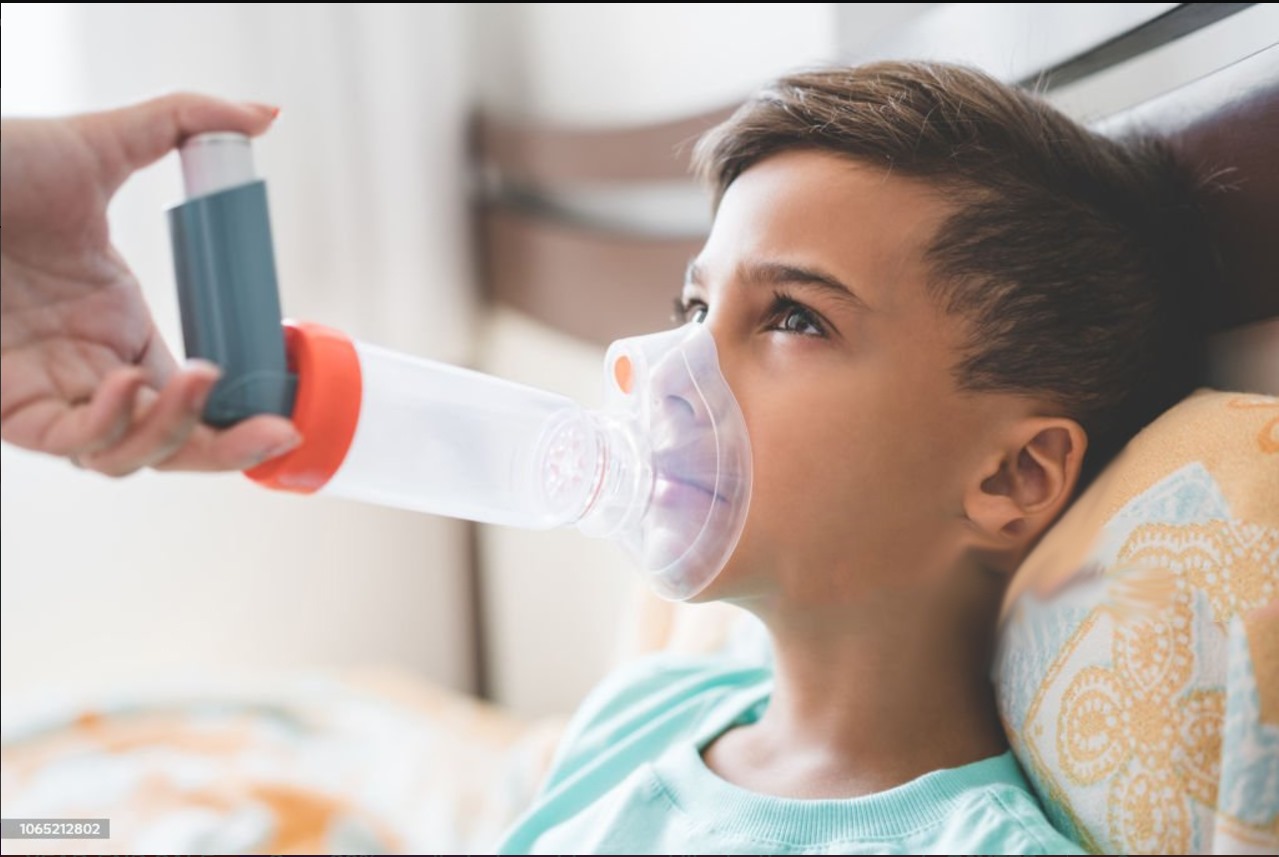
- Shake the inhaler before attaching to spacer.
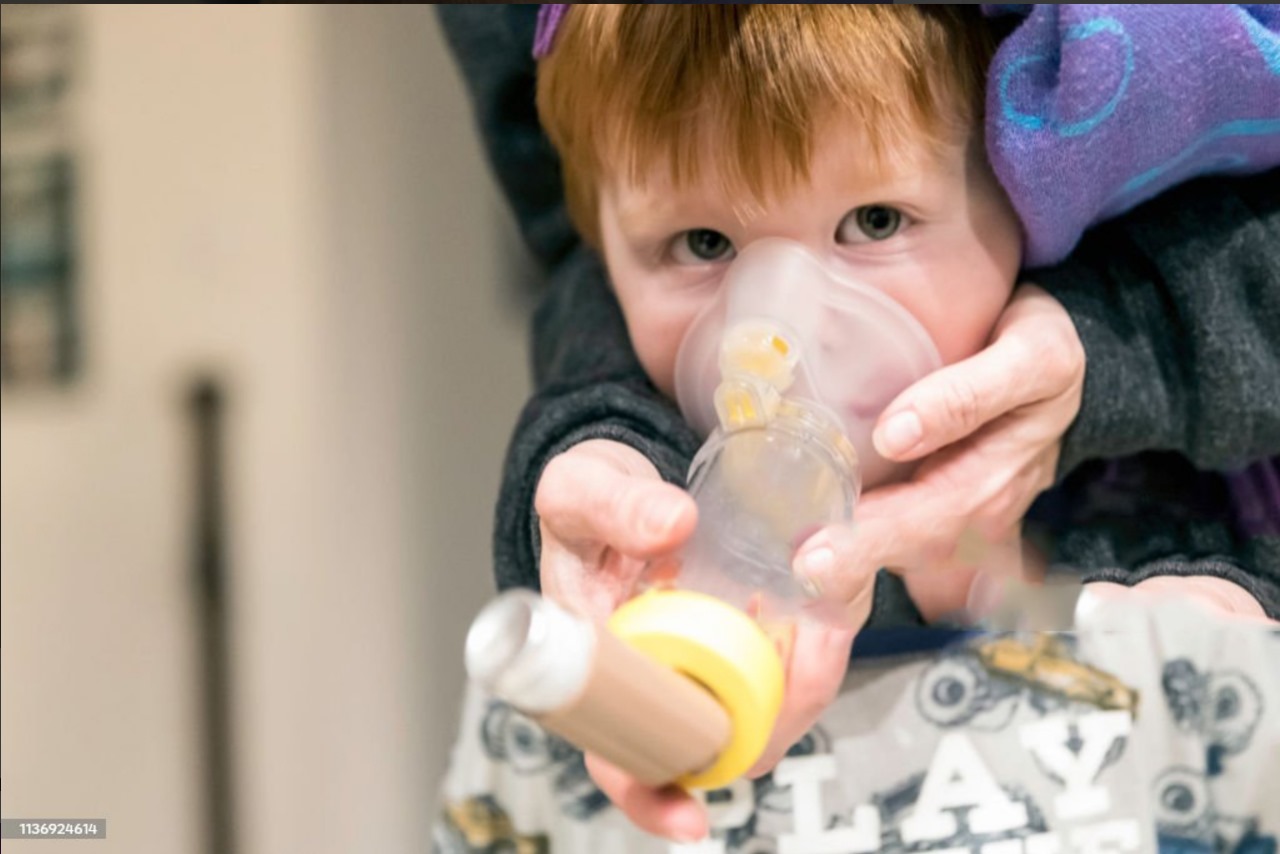
- Attach inhaler to spacer and hold mask tightly over mouth and nose.
- Press inhaler once.
- Breathe normally (not deep breaths) for 60 seconds.
- Wait 60 seconds before giving the next puff.
- Do not wash spacer with soap – dry clean with tissues.
Educational Videos
Nebulizers and Inhaler Devices
When the Wheezing Child Does Not Improve